Logo by Danthree Studio - CGI Studio
Expertise
Creative Direction3D VisualizationHybrid AI Content Creation3D AnimationAugmented Reality (AR)Virtual Reality
Industries
Bathrooms - ManufacturersMaterials / Finishes - ManufacturersHome & Living ProductsFurniture - ManufacturersKitchens - ManufacturersUpholstered Furniture - ManufacturersSmart Home & Tech - Brands
Projects
Insights
Studio
Contact
de
arrow down
enfrit
Home
Expertise
Projects
Insights
Jobs
Studio
Contact
Industries
Bathrooms - Manufacturers
Materials / Finishes - Manufacturers
Home & Living Products
Furniture - Manufacturers
Kitchens - Manufacturers
Upholstered Furniture - Manufacturer
Home Appliances - Manufacturers
Or follow us on:
Instagram IconFacebook IconLinkedIn IconPinterest IconYouTube Icon
Logo by Danthree Studio - CGI Studio

CGI STUDIO for Furniture, Home & Living

Or follow us on:
Instagram IconFacebook IconLinkedIn IconPinterest IconYouTube Icon
Industries
Bathrooms - Manufacturers
Materials / Finishes - Manufacturers
Home & Living Products
Furniture - Manufacturers
Kitchens - Manufacturers
Upholstered Furniture - Manufacturer
Home Appliances - Manufacturers
GlossaryWhat is Physically Based Rendering (PBR)?

What is Physically Based Rendering (PBR)?

Laura Weidner
•
Last updated:
May 11, 2026
In this glossary article:
Text Link
Text Link
Text Link
Text Link

CGI Visualization to Perfection

Danthree Studio turns complex 3D tech into high-converting marketing assets. Get high-end quality for your brand.

Start Project
GlossaryWhat is Physically Based Rendering (PBR)?

What is Physically Based Rendering (PBR)?

Laura Weidner
•
Last updated:
May 11, 2026

Definition of Physically Based Rendering (PBR)

Physically Based Rendering (PBR) is a material and rendering approach that utilizes the physical properties of surfaces—such as albedo (base color), roughness (micro-roughness), and metalness. This ensures that materials behave consistently and realistically in any lighting setup. For brands, this means consistent product appearances across all channels, without having to readjust lighting and shaders every time. Our kitchen case study shows how this works in practice: LEICHT IDEA – PBR-accurate kitchen renderings (CGI).


The Most Important PBR Maps

  • Albedo (Base Color): pure color information without light or shadow.
  • Normal Map: Simulates surface texture for lighting calculations without increasing the geometry.
  • Roughness Map: Controls micro-roughness → how much highlights “smear” or are clearly reflected.
  • Metalness (Metallic) Map: Determines whether a pixel is metallic (reflects energy differently).
  • Ambient Occlusion (AO): darkens crevices and edges to enhance contact shadows.

You can also find a guide to the most important PBR materials in the Adobe/Substance 3D PBR Guide.


Examples of PBR Maps
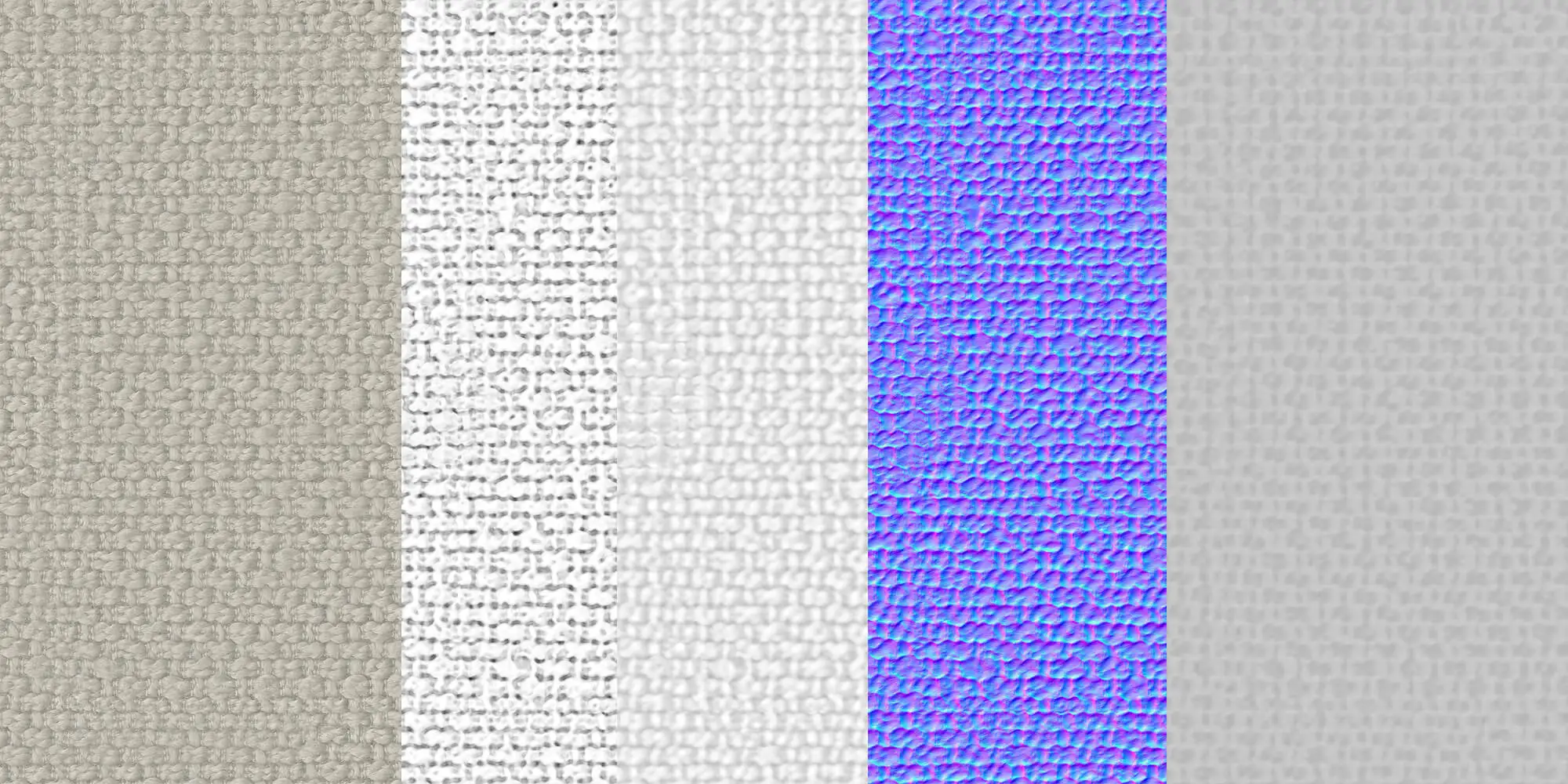
PBR texture set for a fabric material: BaseColor, Ambient Occlusion, Height, Normal, and Roughness Map—displayed side by side
Overview of tileable PBR maps - from left to right: BaseColor (Diffuse), Ambient Occlusion, Height, Normal, Roughness. This creates consistent materials in real-time renderers & CGI. You can easily check whether your PBR textures are really seamlessly repeatable with our tileable texture checker.


Which PBR map do I need for rendering?

Material Type Must-See Maps Nice-to-have Refrain from
Brushed Metal Albedo, Metalness, Roughness, Normal AO, Displacement Specular/Glossiness (if using the Metalness workflow)
Leather / Fabric Albedo, Roughness, Normal AO, Height (Folds), Cavity Metalness
Glass Albedo (light), Roughness (0–0.1), Opacity Emissive (Backlight) Metalness, AO
Varnished wood Albedo, Roughness, Normal AO, Specular (if Legacy) Metalness (excluding metal parts)


More information on textures and material creation: Material & Surface Digitization as well as Surface Visualization.

3D rendering of a bright living room with a brown leather sofa and a view of the surrounding nature through large windows

From Technical Term to Visual Experience

We don't just use these technologies; we master them. See how we create photorealistic worlds for leading brands.

View Work

Real-World Examples & Media

This is what Physically Based Rendering (PBR) looks like in everyday use: Using the same map types (Albedo/Base Color, Roughness Map, Normal, Metallic), we create realistic material properties for wood, fabric, and glass—consistently across all product lines
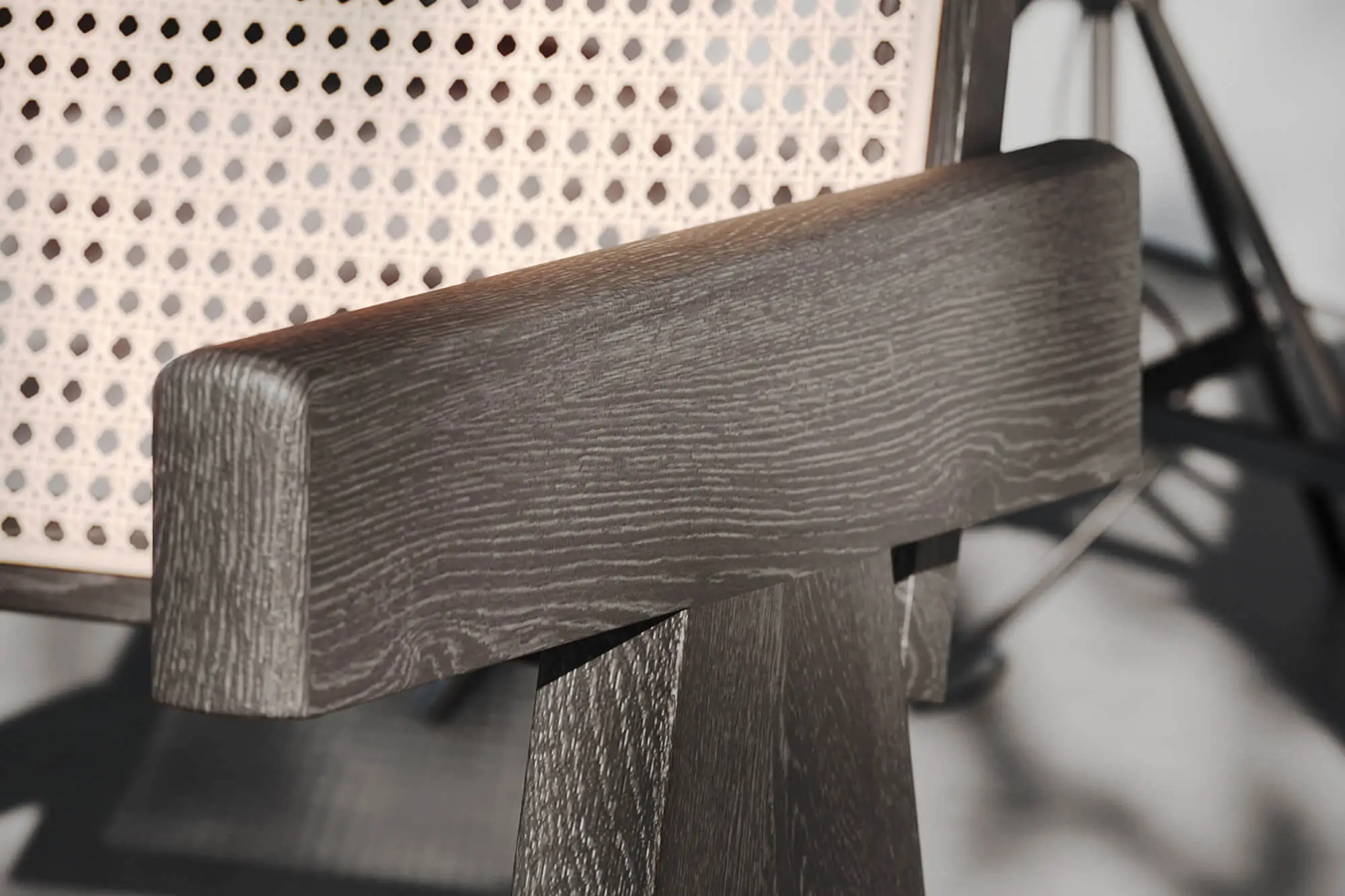
PBR rendering of a dark wooden chair with a woven backrest; three-dimensional grain created using an albedo and normal map; matte roughness suppresses gloss
Wood & Wicker: Albedo, Normal, and Roughness maps bring out the grain and pores—without baked-in highlights.


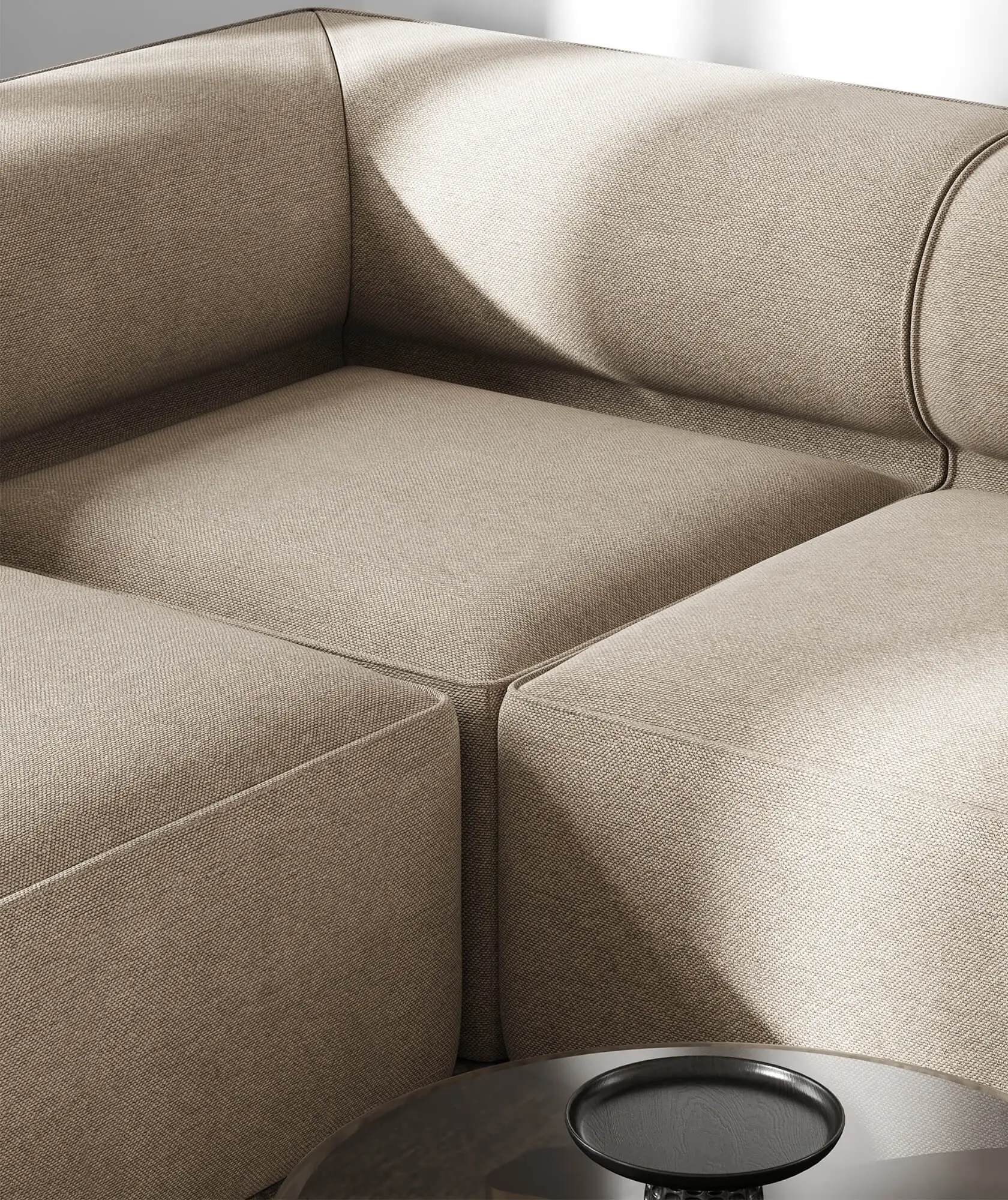
PBR close-up of a beige fabric sofa; the roughness variation creates a soft sheen, while the normal map emphasizes the fabric's texture.
A close-up of fabric: Roughness controls the level of sheen, and the normal map makes the threads visible—ideal for detailed shots in e-commerce.


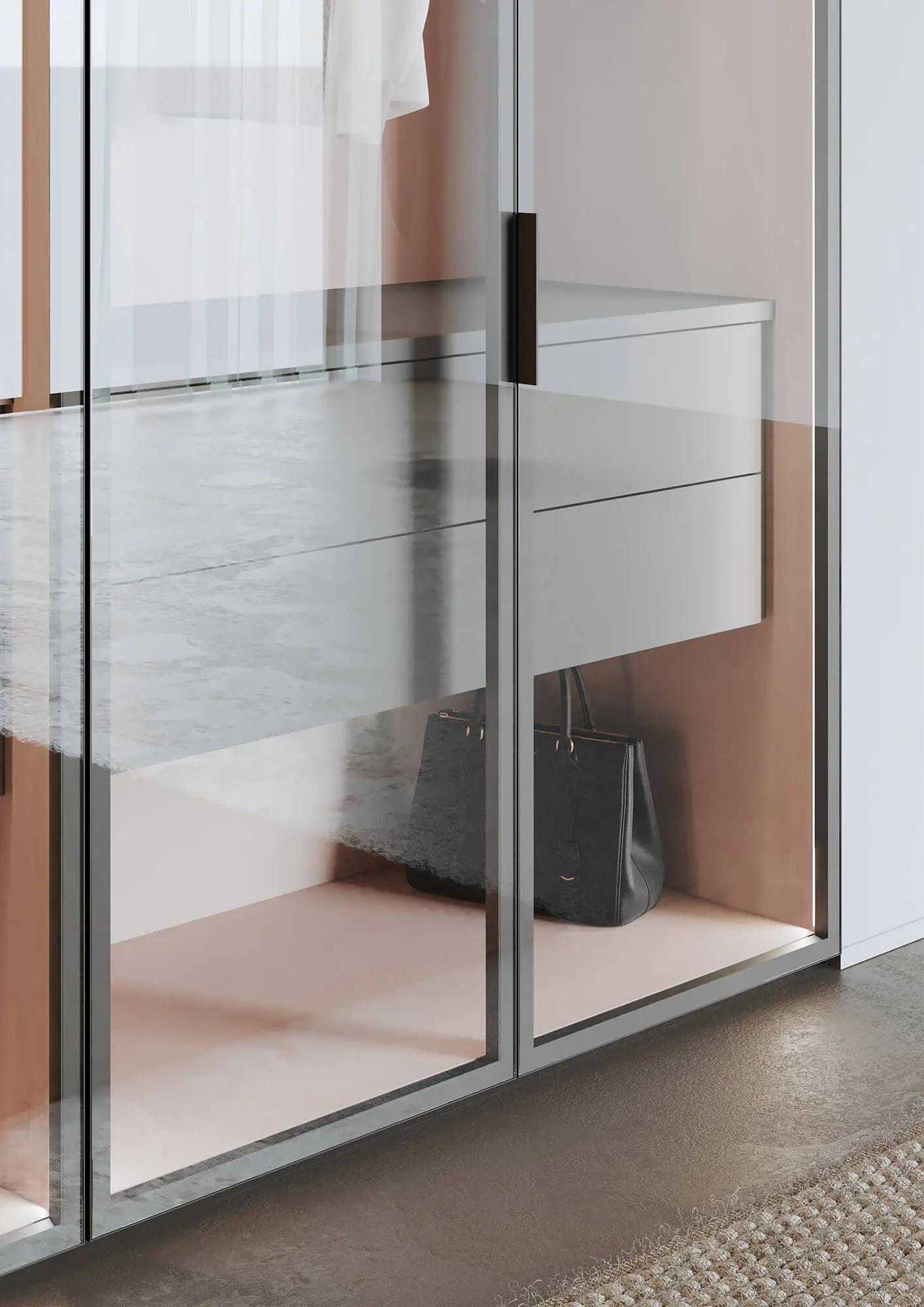
PBR rendering of a cabinet with a glass front; realistic reflections and refractions, with metalness and roughness defining the metal frame.
Glass & Metal in Interaction: Transmission/IOR for the glass, Metalness + Roughness for frames and fittings – physically consistent (3D product visuals for interlübke with PBR material)


Workflow at Danthree

  1. Scanning / Digitization – Surfaces (wood, fabrics, metals) are scanned or procedurally generated.
  2. Map Creation – Albedo, Normal, Roughness, Metallic, AO, etc.
  3. Look-Dev & Shader-Setup - Integration of the maps in the render engine.
  4. Test Render – Test various lighting setups; adjust roughness and metalness.
  5. Approval & Asset Library – The material is added to your central 3D asset library.

More about the process: 3D visualization studio and 3D modeling.


Benefits for Brands & Marketing

  • Consistent Look and Feel: A material looks the same in every rendering—whether it's an interior, a product shot, or an AR app.
  • Efficiency & Scalability: Once created, PBR material libraries can be reused in all projects.
  • Realistic rendering: Physical parameters produce realistic highlights, shadows, and color reproduction.
  • Multi-channel output: Web, print, configurator—all from the same PBR asset base.

PBR vs. Traditional Shading (Specular/Glossiness)

Aspect PBR (Metal/Roughness) Classic (Diffuse/Specular/Glossiness)
Physical Accuracy High Lower, often achieved through artistic manipulation
Consistency Across Different Lighting Setups Very high Manual readjustment required
Number of maps Standardized (5–6) Varies; some are proprietary
Pipeline Standard glTF 2.0, USD, modern engines Legacy Workflows

More Fundamentals of Lighting & Rendering: Ray Tracing


FAQ - What is Physically Based Rendering (PBR)?


What is the difference between PBR and traditional shading?

Classic shading often relies on diffuse, specular, and glossiness and requires manual tweaking for each lighting setup. PBR uses physical parameters (roughness, metalness, etc.), which ensures that materials behave consistently across the board. For more background information, check out the NVIDIA GTC talk: "Physically Based Shading in Practice."


What are the minimum maps I need for PBR?

Albedo, Roughness, Metallic, and Normal are considered the base settings. Ambient Occlusion is optional but can improve contact shadows. You can find an overview of the parameters in Adobe Dimension: Standard Materials (PBR Parameters)


Can I convert existing materials to PBR?

‍Yes. Diffuse becomes albedo, and specular/glossiness can be converted to metal/roughness. Conversion tables or tools in your 3D software can help with this.


Where can I get PBR textures?

Either through your own digitization (scanning/photogrammetry) or from libraries. Be sure to consider licensing rights and the consistency of the maps. You can also find information on the standardized PBR set at Khronos glTF 2.0

Logo by Danthree Studio - CGI Studio

CGI Studio for Furniture, Home & Living

Our Expertise

Strategic CGI Consulting &
Visual Design
3D Modeling
3D Visualization
Augmented Reality (AR)
Pack Shots / Clipping
Digitize Surfaces
3D Animation
Virtual Reality

Industries

Bathrooms - Manufacturers
Materials / Finishes - Manufacturers
Home & Living Products
Furniture - Manufacturers
Kitchens - Manufacturers
Upholstered Furniture - Manufacturer
Flooring Manufacturer
Home Appliances - Manufacturers
Bedroom Visualization
Interior / Space Visualization
Living Room Rendering
Outdoor Garden Furniture
3D Visualization Office
3D fireplace & stove rendering
Wall Covering Manufacturers

Studio

Projects
Insights
Glossary
Jobs
Contact
Studio

Studio Tools

Studio Tools
SKU CGI - Planner
3D Viewer
ROI Calculator: CGI vs. Photo Shoot
CO₂/Sustainability Savings Calculator
Before-and-After Photo Comparison
Checker Tiled Textures
Motif format & safe area checker
CGI Price Calculator
AR QR Code Generator
Legal Notice
Privacy Policy
Cookies
Cookie Settings
Jobs